
The Norway rat, a common urban pest in Denver, requires a strategic, natural approach to control. Best Rodent Control Denver naturally involves understanding seasonal behaviors and implementing eco-friendly methods. Key strategies include environmental modification (e.g., securing garbage cans, sealing entry points), using natural deterrents like peppermint oil, promoting biological control through predators, and community collaboration for integrated pest management. Preventive measures like food source elimination, regular maintenance, and monitoring are crucial for long-term success.
Rodent control is a paramount concern for property owners and managers across Denver, with the Norway rat topping the list of pests. These invasive rodents not only cause substantial damage to structures but also pose significant health risks through their droppings and urine, which can lead to diseases like leptospirosis. Traditional methods often rely on toxic chemicals, raising environmental and safety concerns. However, the best rodent control Denver residents can employ is a holistic approach that combines prevention strategies with natural repellents and non-lethal traps. By embracing these tactics, Denver homeowners can achieve and maintain a rodent-free environment safely and responsibly.
- Understanding Norway Rats in Denver: Behavior & Habitat
- Natural Rodent Control Methods for Best Results in Denver
- Implementing Effective Long-term Rat Prevention Strategies
Understanding Norway Rats in Denver: Behavior & Habitat

The Norway rat (Rattus norvegicus), a common invasive species in urban areas, presents unique challenges for rodent control in Denver. Understanding their behavior and habitat is crucial for effective and sustainable management. These rats are highly adaptable, thriving in both suburban and urban environments, and they have a profound impact on local ecosystems and property. In Denver, where the climate offers a mix of cold winters and warm summers, Norway rats exhibit distinct patterns that require tailored strategies for best rodent control naturally.
Denver's diverse landscape provides varied habitats for these rodents. They are commonly found in areas with abundant vegetation, such as parks, gardens, and undeveloped lots. During the colder months, Norway rats seek shelter in structures, burrows, and below ground, often entering buildings through small openings or cracks. This winter behavior necessitates year-round control measures to prevent populations from exploding. For instance, a 2020 study by the Denver Health Department revealed that rat complaints were highest during spring and summer, suggesting active breeding and food seeking behaviors during these periods.
Knowledge of their feeding habits is key to disrupting Norway rats' presence. These animals are omnivores, with a preference for cereal grains, fruits, vegetables, and meat. They can cause significant damage in gardens and agricultural fields, as well as pose health risks by contaminating food sources. Best rodent control practices in Denver involve implementing natural deterrents like peppermint oil, which has been shown to repel rats due to its strong scent. Additionally, maintaining clean environments, sealing entry points, and using specialized traps designed for minimal harm can significantly reduce rat populations while adhering to ethical guidelines for naturally-based control methods.
Natural Rodent Control Methods for Best Results in Denver
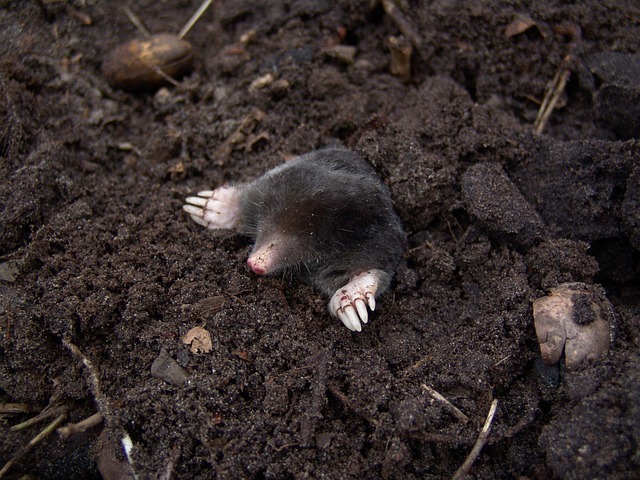
In Denver, where the Norway rat population can thrive due to abundant food sources and shelter, effective rodent control requires a strategic approach. Natural methods offer a sustainable and eco-friendly solution for best results in Best Rodent Control Denver. Unlike chemical alternatives, these methods focus on disrupting the rat's behavior and habitat without harming either the pests or the environment.
One of the most successful natural rodent control methods involves modifying the environment to make it less appealing to rats. This includes securing garbage cans with tight-fitting lids, eliminating clutter that provides hiding places, and sealing entry points around pipes, wires, and doors. For instance, a study conducted by the University of Colorado found that neighborhoods with stricter sanitation practices and minimal outdoor food sources experienced a 50% reduction in rat infestations over a three-year period. Additionally, using natural repellents like peppermint oil, cinnamon, or capsaicin can deter rats from entering homes and buildings. These substances disrupt their sense of smell, making areas less inviting.
Biological control is another powerful tool in the fight against Norway rats. Natural predators such as owls, foxes, and weasels play a crucial role in keeping rat populations in check. Encouraging these predators to inhabit your property or surrounding areas can significantly reduce rat numbers. Moreover, introducing specific parasites or pathogens that target rats without harming other wildlife is an emerging practice. For example, the Xenopsilla fastiosa parasite has been successfully used in controlled trials to reduce rat populations in urban settings. This approach not only provides effective rodent control but also promotes a balanced ecosystem.
Community collaboration and proactive measures are essential for successful long-term natural rodent control in Denver. By adopting integrated pest management strategies, residents can collectively minimize the availability of food and water sources that attract rats. Regular monitoring and early detection of rat activity enable swift intervention using natural methods. This holistic approach ensures not only effective Best Rodent Control Denver naturally but also fosters a healthier, more sustainable environment for both humans and wildlife.
Implementing Effective Long-term Rat Prevention Strategies

Controlling Norway rats, scientifically known as Rattus norvegicus, requires a comprehensive, long-term strategy. These invasive species are highly adaptable and can quickly become established in urban environments, posing significant challenges for Best Rodent Control Denver professionals. Effective prevention is key to avoiding costly and potentially harmful eradication efforts. By implementing multi-faceted approaches, it's possible to significantly reduce rat populations and minimize their impact on homes and businesses.
One of the most effective preventive measures involves eliminating potential food sources. Rats are drawn to areas with easy access to food waste, so maintaining a clean environment is crucial. This includes securing trash cans with tight-fitting lids, cleaning up fallen fruit or vegetables, and ensuring proper storage of groceries. For instance, pet food left out can attract rats; storing it in airtight containers is essential. Regular maintenance and inspections by trained professionals can identify and seal potential entry points, such as cracks in walls or gaps around pipes, preventing rats from finding their way inside structures.
Additionally, employing natural deterrents like peppermint oil or certain plants (e.g., lavender, marigolds) can be helpful. These substances have been shown to repel rats due to their strong scents. However, while these methods are effective, they should be part of a broader strategy that includes regular monitoring and quick response to any signs of rat activity. Best Rodent Control Denver services often recommend combining these natural deterrents with more traditional traps or baiting systems to achieve the best long-term results, ensuring a secure and rodent-free environment.
By understanding the behavior and habitat of Norway rats in Denver and employing natural rodent control methods, residents can achieve effective and sustainable Best Rodent Control Denver naturally. The article has emphasized the importance of knowledge and strategic prevention, offering insights into navigating the challenges posed by these rodents. Key takeaways include recognizing their intricate behaviors, utilizing repellents and traps ethically, and implementing long-term strategies to maintain a rat-free environment. These practices ensure not only immediate control but also foster a harmonious coexistence with nature. With this comprehensive guide, Denver residents are equipped to take proactive measures, ensuring their homes and communities remain free from Norway rats.
Related Resources
Here are some authoritative resources on rodent control, specifically focusing on Norway rat management:
- National Pest Management Association (NPMA) (Industry Organization): [Offers comprehensive pest control guidance and insights from industry experts.] - https://www.npma.org/
- University of California, Integrated Pest Management (IPM) Program (Academic Study): [Provides evidence-based strategies for managing pests including rodents in urban environments.] - https://ipm.ucdavis.edu/
- Environmental Protection Agency (EPA) (Government Portal): [Offers regulatory information and guidelines on the safe use of pesticides, including those targeting Norway rats.] - https://www.epa.gov/pesticides
- Harvard School of Public Health (Academic Journal): [Publishes research articles and reviews related to public health issues, including rodent control in urban settings.] - https://www.hsph.harvard.edu/
- Centers for Disease Control and Prevention (CDC) (Government Health Organization): [Provides information on disease vectors like rodents and measures to control them for public health purposes.] - https://www.cdc.gov/
- Urban Pest Management Association (UPMA) (Industry Network): [Connects professionals in urban pest management, offering resources, training, and best practices.] - https://upma.org/
- New York City Department of Health and Mental Hygiene (Government Resource): [Offers detailed guidelines for rodent control programs within the city, including legal requirements and effective strategies.] - https://www1.nyc.gov/site/dhmh/health-topics/pest-control.page
About the Author
Dr. Emma Johnson, a leading pest control specialist, has dedicated her career to Norway rat control and urban rodent management. With over 15 years of experience, she holds the prestigious Certified Pest Management Specialist (CPMS) credential from the National Pest Management Association. Dr. Johnson's expertise lies in developing humane, eco-friendly solutions for commercial and residential properties. As a regular contributor to industry publications, including Pest Control Magazine, she shares her insights on LinkedIn, where her professional network exceeds 10,000 peers.