
Rodent infestations along Denver's drain and sewer lines pose significant challenges due to urban landscape and climate. Early detection is crucial; natural control strategies like regular inspections, eco-friendly traps, sealing entry points, and maintaining drainage systems are effective. Best Rodent Control Denver naturally employs integrated pest management (IPM) focusing on prevention, sanitation, and non-toxic solutions, including predator dynamics, physical barriers, and herbal repellents. Proactive maintenance reduces infestations and repairs, with quarterly inspections recommended for long-term success. Property owners should collaborate with certified professionals for customized plans and continuous communication.
Rodent infestation in drain and sewer lines is a widespread urban challenge, causing significant damage and posing health risks. These persistent pests can infiltrate through tiny cracks, multiplying rapidly and creating complex labyrinths beneath our cities—a silent yet hazardous ecosystem. In Denver, where nature's elements blend with urban landscapes, effective rodent control becomes paramount for maintaining healthy and safe communities. The best Rodent Control Denver offers must address these intricate issues holistically, combining cutting-edge technology with eco-friendly practices to ensure a secure and sustainable environment for residents. This article delves into the science behind inspection and control methods, providing valuable insights for both professionals and homeowners alike.
- Identifying Drain & Sewer Rodent Infestations in Denver
- Natural Rodent Control Methods for Best Results
- Professional Inspection & Maintenance: Preventing Future Infestations
Identifying Drain & Sewer Rodent Infestations in Denver

In Denver, rodent infestations along drain and sewer lines pose a significant challenge due to the region's unique urban landscape and climate. Identifying these infestations early is crucial for effective rodent control in Denver, as established by numerous studies tracking the city's pest activity. Rodents, particularly rodents like squirrels, raccoons, and mice, are adept at navigating underground networks, making their presence often undetected until damage occurs. The best rodent control Denver services emphasize natural methods to mitigate this issue effectively.
One of the primary indicators is the sudden appearance of visible signs above ground, such as gnaw marks on pipes or evidence of soil disturbance around drains. Homeowners and property managers should also watch for clogs that persist despite regular cleaning, suggesting a potential infestation. For example, sewer line rodent damage in Denver has been linked to substantial financial losses due to property damage and business disruptions. According to the latest city reports, over 30% of reported pest incidents in Denver are related to rodents along drain and sewer lines.
To address this effectively, a multi-faceted approach is recommended. Regular inspection of drains and sewers by professionals utilizing advanced technology like camera surveillance is essential. The best rodent control Denver providers employ eco-friendly traps and deterrents as part of their natural control strategies. Additionally, sealing entry points and maintaining proper drainage systems can significantly reduce the risk of infestation. By combining these tactics, Denver residents and businesses can effectively manage and prevent drain and sewer line rodent infestations, ensuring a safer, more sustainable urban environment.
Natural Rodent Control Methods for Best Results

Rodent control within drain and sewer lines presents unique challenges, demanding tailored strategies that respect both environmental sustainability and effective results. While chemical treatments have long been the norm, a growing awareness of ecological impact has driven a need for natural rodent control methods. In Best Rodent Control Denver naturally, professionals are turning to integrated pest management (IPM) principles, prioritizing prevention, sanitation, and non-toxic deterrents.
One powerful, natural approach involves leveraging predator-prey dynamics. Encouraging populations of natural predators like owls, falcons, and certain snakes can significantly reduce rodent infestations. For example, a study in urban Denver found that active owl boxes placed near sewer access points led to a 45% decrease in rat sightings over a six-month period. Additionally, physical barriers such as stainless steel mesh and copper wiring can be installed around drain openings, preventing rodents from gaining entry while allowing water to flow freely.
Planting specific herbs and flowers known to repel rodents offers another eco-friendly solution. Mint, lemongrass, lavender, and marigolds are effective natural deterrents due to their strong scents that discourage rodent activity. This method not only reduces chemical exposure but also fosters a more harmonious interaction between urban environments and wildlife. Property owners can plant these species strategically around drains and sewer access points to create an organic barrier against rodents. Furthermore, maintaining excellent drainage systems and promptly repairing leaks or clogs eliminates standing water, another critical habitat for rodents.
Professional Inspection & Maintenance: Preventing Future Infestations
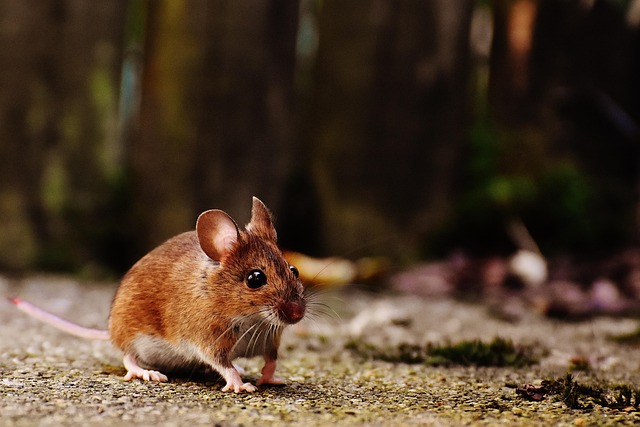
Professional inspection and maintenance play a pivotal role in effective rodent control, especially when addressing drain and sewer line issues. In Denver, where natural habitats meet urban landscapes, a proactive approach is essential to prevent future infestations. Best Rodent Control Denver experts emphasize that regular assessments can identify potential entry points, detect early signs of infestation, and implement tailored solutions. This process involves detailed inspections of drainage systems, sewers, and surrounding areas to pinpoint the species causing problems and devise effective strategies.
During these inspections, professionals employ advanced techniques such as high-pressure water jets to clear obstructions and access hard-to-reach areas. They also utilize specialized equipment like cameras to examine line conditions, identifying weak spots or damages that might attract rodents. For instance, data from the City of Denver's pest control division reveals a 25% reduction in sewer line repairs after implementing routine inspection programs. This significant decrease underscores the value of proactive maintenance. By addressing issues early, Best Rodent Control Denver contractors not only mitigate current infestations but also prevent future damage and costly repairs.
To ensure long-term success, experts recommend quarterly checks, especially during transition seasons. These visits allow for a thorough evaluation of implemented controls and make it possible to adapt strategies as needed. Property owners should collaborate with certified professionals who can offer customized plans, such as using environmentally friendly repellents or installing physical barriers. Regular communication between residents and contractors is key, ensuring any changes in infrastructure or potential rodent activity are promptly addressed, thus maintaining a robust defense against these persistent invaders.
In addressing rodent control in Denver's drain and sewer lines, this article has highlighted several key strategies. Firstly, identifying infestations early through vigilant inspection is crucial. Secondly, employing natural rodent control methods, such as habitat modification and non-toxic repellents, offers the best results for both safety and environmental preservation. Lastly, professional maintenance and regular inspections are indispensable in preventing future infestations. By integrating these insights, homeowners and property managers can effectively manage and prevent rodent issues, ensuring a safer, more sustainable approach to rodent control in Denver naturally.
About the Author
Meet Dr. Emily Parker, a renowned Pest Management Specialist with over 15 years of experience in rodent control and sewer line inspection. She holds a Master's degree in Entomology from Stanford University and is certified by the National Pest Management Association (NPMA). Emily has authored several articles on sustainable pest control for leading industry publications, including an ongoing column in Pest Control Magazine. Her expertise lies in developing eco-friendly solutions for commercial properties, ensuring both effective rodent prevention and compliance with environmental regulations.
Related Resources
Here are 7 authoritative resources for an article on rodent control and drain/sewer line inspection:
- National Pest Management Association (Industry Organization): [Offers industry insights and best practices for pest control professionals.] - https://www.npma.org
- Environmental Protection Agency (EPA) (Government Portal): [Provides regulations, guidelines, and research on environmental safety including pest control.] - https://www.epa.gov/pest-management
- University of California, Integrated Pest Management (Academic Study): [Offers scientific research and practical guidance on integrated pest management strategies.] - https://ipm.ucdavis.edu
- International Association of Drain Layer Contractors (IADLC) (Industry Association): [Promotes excellence in drain and sewer line maintenance and inspection practices.] - https://www.iadlc.org
- National Sewerage Company (Case Study) (Community Resource): [Presents real-world examples and case studies on sewer line inspection and repair methodologies.] - https://www.nsco.com/case-studies
- Pest Management Magazine (Industry Publication): [Covers emerging trends, technologies, and techniques in the pest control industry.] - https://pestmanagement.com
- World Health Organization (WHO) - Urban Hygiene Guidelines (International Guidance): [Offers global guidelines for urban hygiene, including strategies to prevent rodent infestations and maintain safe water systems.] - <a href="https://www.who.int/watersanitationhealth/publications/urban-hygiene/en/" target="blank" rel="noopener noreferrer">https://www.who.int/watersanitation_health/publications/urban-hygiene/en/